

Dry Needling Physical Therapy
How does Dry Needling aid Physical Therapy?
What is dry needling?
Dry needling is a pain-relieving technique using a tiny acupuncture needle. The needle is inserted at points of the body that are constantly tight, creating pain relief that many patients never thought possible. The needles can treat deep parts of the muscles- areas that are often difficult to reach with massage. They cause a “twitch” response – a brief contraction followed by sustained relaxation. This response can “deactivate” painful, knotted areas in the muscles.
Benefits of Dry Needling Therapy
Dry needling therapy, at times, is included in a complete treatment plan aimed at relieving pain and promoting mobility. It is a technique that aims at trigger points in the muscles and relaxes the muscles as well as increases the movement. Studies demonstrate that the method of dry needling can not only be a pain killer but also facilitate the communication between nerves and muscles, thus decreasing the time for recovery.
Moreover, physical therapists are trained in-depth about anatomy and modalities of treatment including some extra specialization for performing dry needling therapy. When you decide to get dry needling, always ask about your therapist’s qualifications and experience.
What can dry needling treat?
The dry needling technique can help relieve pain in most muscles, including jaw pain, shoulder pain, hamstring tension, and golfer’s elbow. It can improve blood flow, speed healing time, and help rid muscles of deep knots that other techniques cannot reach. Dry needling leads to many of the same results as massage, but at a deeper level. For a patient that has experienced results with massage, but found them to be short-lived, dry needling may be a good option. It can also complement massage therapy.
Who Shouldn’t Get Dry Needling Therapy?
Not every patient can benefit from dry needling therapy. The method is inappropriate for children under the age of 12 because of the possible pain factor involved. In case of a child considering it, you must always talk to a medical professional first and start with other non-invasive approaches. Furthermore, some patients need to discuss with their doctors before undergoing dry needling therapy like people who are:
- Pregnant
- Not able to comprehend the treatment properly
- Scared of needles (trypanophobia)
- Have weak immunity
- Had tracheostomy recently
- Are on anticoagulants
How does dry needling work?
Dry needling is not acupuncture – it is based strictly on Western medical principles and research. However, it is sometimes used within the context of an acupuncture practice. According to research by Dr. Jay Shah at the National Institutes of Health, inserting a needle into trigger points can lead to biochemical changes that reduce pain. The biochemical changes can help lead to the essential twitch response, which is the first step in breaking the cycle of pain.
Will the procedure hurt?
Because the needle is so small, it does not hurt the way a larger hollow needle does when puncturing the skin. Most patients describe the sensations as “releasing” or “pressure.” The needle remains in the skin for a very short amount of time – just enough to relax the muscle. There may be a small amount of pain, which some patients describe as a slight shock or a cramping sensation, but it is well worth the lasting relief that dry needling causes.
How will I feel after the session?
The muscles treated will likely feel sore, the way they do after challenging exercise. This is because the needle has caused them to contract numerous times in quick succession in order to relax them. Patients may feel fatigued, but not so much that it interferes with everyday activities. Some patients find it helpful to treat the area with heat or ice if there is soreness. After just a couple of sessions, most feel lasting relief from pain.
How often will I need to return to maintain my progress?
Usually, a dry needling treatment is repeated every five or six days until the pain cycle is broken. The first cycle will focus on just a few key muscles. Then, as the body becomes more used to the sensations, the treatment is fine-tuned to be as effective as possible. The technique is not a quick fix; instead it is a process that will help break the pain cycle. Once the pain cycle is broken, other treatment options are introduced to help prevent future problems.
Have Questions?
Let us know if you have any questions about your treatment, our practice and whatever else is on your mind. We are here to help and we look forward to serving you!
Foot Pain Treatment
Foot Pain Treatment with Physical Therapy
Relieve Pain & Get Back on Your Feet
Foot pain affects everything from your morning routine to your ability to exercise. Our Fort Lee physical therapists diagnose and treat the full range of foot conditions with proven hands-on care.
4.9 · 120+ Google Reviews
Trusted across Fort Lee
No Referral Needed
Direct access — book today
1-on-1 With a Doctor of PT
Full sessions, never double-booked
Most Insurance Accepted
We verify your benefits free
Expert Foot Pain Treatment in Bergen County, NJ
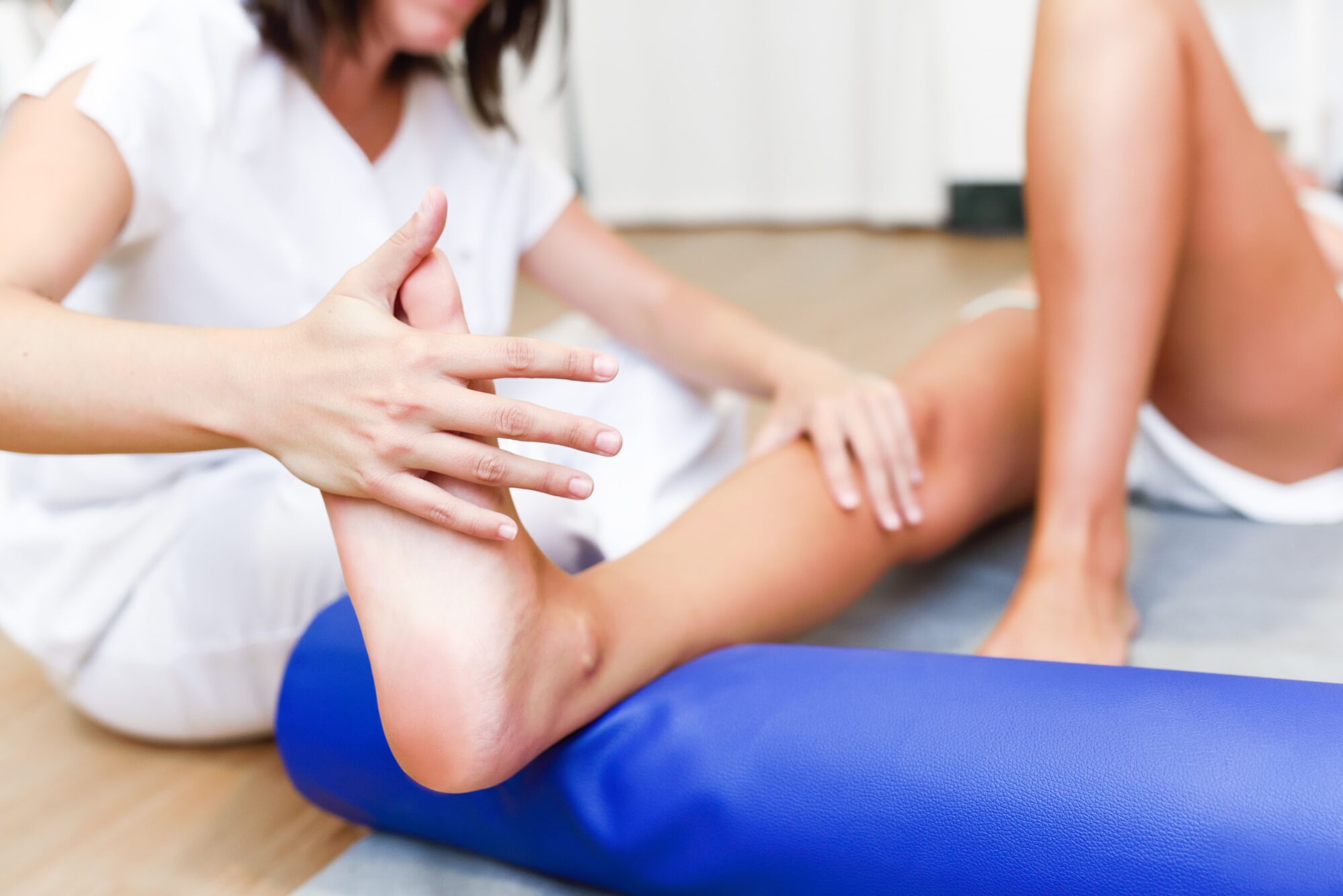
Your feet are remarkable structures: 26 bones, 33 joints, and over 100 muscles, tendons, and ligaments working together with every step. When something goes wrong, even simple tasks become painful.Fort Lee Physical Therapy offers expert evaluation and treatment for the full spectrum of foot conditions.
Fort Lee Physical Therapy offers expert evaluation and treatment for the full spectrum of foot conditions. We address not just pain but the underlying mechanics that caused it. Our therapists take the time to explain what’s really happening with your foot, so you understand your treatment, not just follow it. From your very first visit, you’ll leave with a clear plan and realistic timeline for getting back on your feet, pain-free.
Foot pain affects every step of your day. Our Foot Pain Clinic in Fort Lee, NJ offers precise diagnosis and effective treatment for Bergen County residents, without long waits or unnecessary imaging
Common Foot Conditions We Treat
Each condition has distinct characteristics that require targeted treatment, and our thorough evaluation process ensures you receive the right care for your specific presentation.
Common Symptoms
- Sharp or aching heel pain, especially with the first steps in the morning
- Pain along the bottom of the foot or arch
- Forefoot pain when walking or standing for long periods
- Swelling or visible deformity (such as a bunion)
- Foot fatigue by the end of the day
- Pain that causes you to limp or change how you walk
Gait analysis is a key component of foot pain treatment, because how you walk significantly influences stress distribution through the foot structures.
How We Provide Physical Therapy for Foot Pain
Our foot pain treatment combines manual therapy to restore joint and soft tissue mobility, targeted strengthening of the intrinsic foot muscles, and gait retraining to correct the movement patterns that contribute to your condition. Footwear assessment and orthotic recommendations are also integral to lasting results.

Manual Therapy
Skilled mobilization of the foot and ankle joints and soft tissue work that reduces pain and restores normal foot mechanics.
Intrinsic Strengthening
Exercises targeting the small muscles within the foot that control arch height and toe function.
Gait Analysis
Video-based assessment of your walking and running mechanics to identify biomechanical contributors to your pain.
Footwear & Orthotics
Expert guidance on appropriate footwear and, where indicated, custom or semi-custom orthotic prescription.
Getting Your Feet Feeling Good Again
At our Foot Pain Clinic in NJ, most foot pain conditions respond well to physical therapy within 4–8 weeks. We give you the tools and knowledge to maintain your foot health long-term, including a home exercise program and strategies for managing your activity levels during recovery.
Serving Bergen County & Beyond: Residents of Cliffside Park, Edgewater, and Fort Lee rely on our foot pain specialists for conditions like plantar fasciitis and heel pain. We also welcome patients traveling from Washington Heights, NY, just minutes across the George Washington Bridge.
Fort Lee Physical Therapy gets to the source of your foot pain. Our Foot Pain Treatment combines hands-on therapy, footwear analysis, and targeted exercise for complete and lasting recovery. For more questions, please call (201) 585-7300.
Other Services Provided by Fort Lee PT
Physical therapy aims to reduce pain, improve movement, and restore function. It uses a combination of treatment methods to support healing and recovery. Physical therapy is often recommended for injuries or medical conditions that limit mobility and make daily activities more difficult.
Meet our team
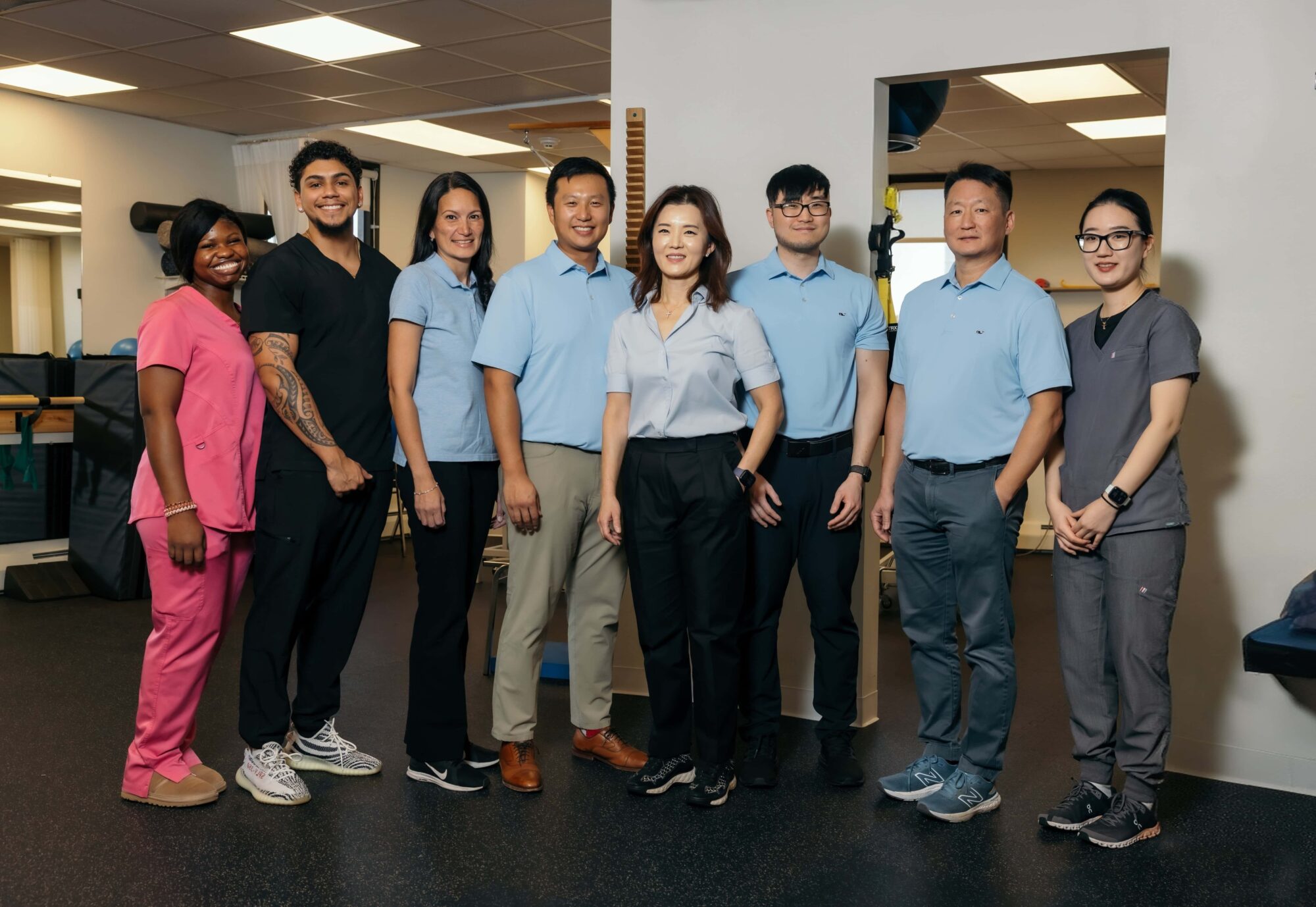
Doctorate-level therapists who build a plan around your specific injury and goals.
Conditions we treat
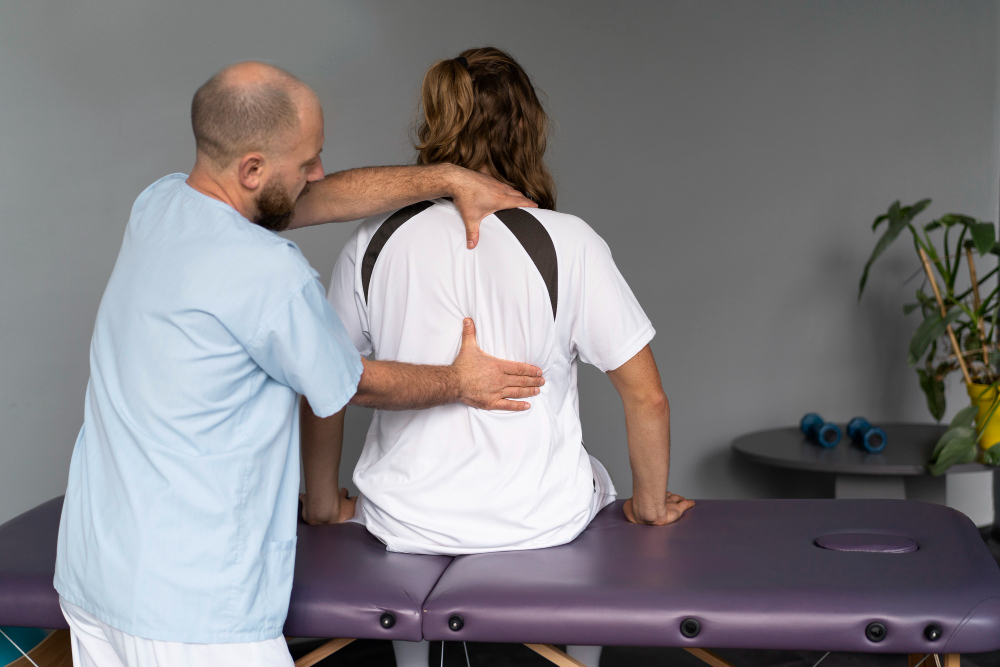
Back, knee, shoulder, hip and more. Find the condition that matches your pain.
Where does it hurt?
The PAIN We Treat
Our Patient's STORIES
Our patient’s continually rate us highly. Please read their reviews below and you’ll see that you’re in the safest and most professional hands when you visit us. Watch the video below to understand how we’ve helped some of our patients and why they rate us highly.
You Can Also Review Us On :
Frequently Asked Questions About Foot Pain Treatment
Not always. Many foot pain conditions resolve with strengthening, mobility work, and footwear modifications alone. Your therapist at our foot pain clinic will assess whether orthotics would be beneficial for your specific biomechanical presentation
Yes. While PT cannot change the bony structure of the foot, it can significantly improve the function of flat feet through strengthening the tibialis posterior and intrinsic foot muscles, which dynamically support the arch.
Complete rest is rarely necessary and can allow foot muscles and connective tissue to weaken. Modified activity — reducing high-impact loading while maintaining gentle movement — is typically the best approach.
Footwear with good arch support, a wide toe box, and adequate cushioning is generally helpful for most foot conditions. Your therapist will make specific recommendations based on your foot type and the nature of your condition.
Seek prompt attention for foot pain accompanied by significant swelling, bruising, inability to bear weight, or numbness/tingling that suggests nerve involvement. At our foot pain clinic, your physical therapist will screen for these at your evaluation.