

Dry Needling Physical Therapy
How does Dry Needling aid Physical Therapy?
What is dry needling?
Dry needling is a pain-relieving technique using a tiny acupuncture needle. The needle is inserted at points of the body that are constantly tight, creating pain relief that many patients never thought possible. The needles can treat deep parts of the muscles- areas that are often difficult to reach with massage. They cause a “twitch” response – a brief contraction followed by sustained relaxation. This response can “deactivate” painful, knotted areas in the muscles.
Benefits of Dry Needling Therapy
Dry needling therapy, at times, is included in a complete treatment plan aimed at relieving pain and promoting mobility. It is a technique that aims at trigger points in the muscles and relaxes the muscles as well as increases the movement. Studies demonstrate that the method of dry needling can not only be a pain killer but also facilitate the communication between nerves and muscles, thus decreasing the time for recovery.
Moreover, physical therapists are trained in-depth about anatomy and modalities of treatment including some extra specialization for performing dry needling therapy. When you decide to get dry needling, always ask about your therapist’s qualifications and experience.
What can dry needling treat?
The dry needling technique can help relieve pain in most muscles, including jaw pain, shoulder pain, hamstring tension, and golfer’s elbow. It can improve blood flow, speed healing time, and help rid muscles of deep knots that other techniques cannot reach. Dry needling leads to many of the same results as massage, but at a deeper level. For a patient that has experienced results with massage, but found them to be short-lived, dry needling may be a good option. It can also complement massage therapy.
Who Shouldn’t Get Dry Needling Therapy?
Not every patient can benefit from dry needling therapy. The method is inappropriate for children under the age of 12 because of the possible pain factor involved. In case of a child considering it, you must always talk to a medical professional first and start with other non-invasive approaches. Furthermore, some patients need to discuss with their doctors before undergoing dry needling therapy like people who are:
- Pregnant
- Not able to comprehend the treatment properly
- Scared of needles (trypanophobia)
- Have weak immunity
- Had tracheostomy recently
- Are on anticoagulants
How does dry needling work?
Dry needling is not acupuncture – it is based strictly on Western medical principles and research. However, it is sometimes used within the context of an acupuncture practice. According to research by Dr. Jay Shah at the National Institutes of Health, inserting a needle into trigger points can lead to biochemical changes that reduce pain. The biochemical changes can help lead to the essential twitch response, which is the first step in breaking the cycle of pain.
Will the procedure hurt?
Because the needle is so small, it does not hurt the way a larger hollow needle does when puncturing the skin. Most patients describe the sensations as “releasing” or “pressure.” The needle remains in the skin for a very short amount of time – just enough to relax the muscle. There may be a small amount of pain, which some patients describe as a slight shock or a cramping sensation, but it is well worth the lasting relief that dry needling causes.
How will I feel after the session?
The muscles treated will likely feel sore, the way they do after challenging exercise. This is because the needle has caused them to contract numerous times in quick succession in order to relax them. Patients may feel fatigued, but not so much that it interferes with everyday activities. Some patients find it helpful to treat the area with heat or ice if there is soreness. After just a couple of sessions, most feel lasting relief from pain.
How often will I need to return to maintain my progress?
Usually, a dry needling treatment is repeated every five or six days until the pain cycle is broken. The first cycle will focus on just a few key muscles. Then, as the body becomes more used to the sensations, the treatment is fine-tuned to be as effective as possible. The technique is not a quick fix; instead it is a process that will help break the pain cycle. Once the pain cycle is broken, other treatment options are introduced to help prevent future problems.
Have Questions?
Let us know if you have any questions about your treatment, our practice and whatever else is on your mind. We are here to help and we look forward to serving you!
Children's Physical Therapy
Children's Physical Therapy Treatment in
Fort Lee, NJ
Helping Young Patients Move, Grow & Thrive
Children aren’t small adults – their bodies have unique needs and healing patterns. Our Fort Lee physical therapists specialize in pediatric care that helps young patients build strength, confidence, and independence.
4.9 · 120+ Google Reviews
Trusted across Fort Lee
No Referral Needed
Direct access — book today
1-on-1 With a Doctor of PT
Full sessions, never double-booked
Most Insurance Accepted
We verify your benefits free
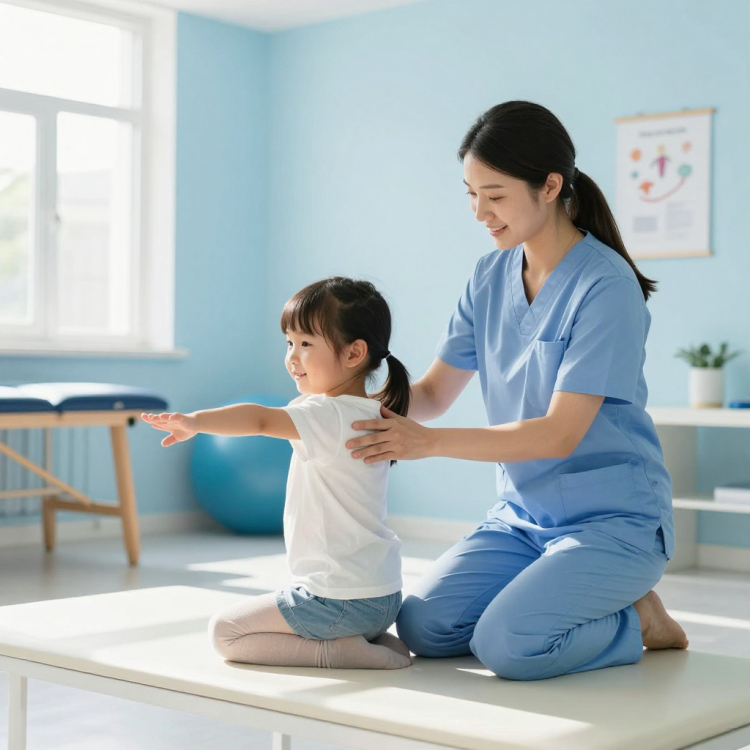
Expect Children's Physical Therapy Treatment in Bergen County, NJ
Children and adolescents experience a distinct range of musculoskeletal conditions, from youth sports injuries and growth-related pain syndromes to developmental movement challenges. Fort Lee Physical Therapy provides expert pediatric physical therapy in a welcoming environment that puts young patients and their families at ease. Our approach is evidence-based, developmentally appropriate, and family-centered.
Growing bodies need specialist care, not adult protocols scaled down. Our pediatric PT team creates age-appropriate, engaging programs that young patients enjoy. Our children’s physical therapy clinic in Fort Lee, NJ is welcoming, patient, and family-centered..
What Is Children's Physical Therapy?
Growing bodies are physiologically different from adult bodies in important ways: growth plates (physes) are active and vulnerable to injury until skeletal maturity; repetitive sport specialization can overload developing structures; and hormonal changes during adolescence affect joint laxity and injury risk. These differences make specialist pediatric knowledge essential for safe and effective treatment.
Common Symptoms
- Limping or altered gait in a child
- Knee or heel pain during or after sport (may indicate growth plate involvement)
- Persistent joint pain in a growing child
- Difficulty with specific sports movements or physical education
- A child who is avoiding physical activity due to pain
- Sports injuries including sprains, strains, and overuse injuries
Youth sports participation has increased dramatically — and so have overuse injuries. Growth plate injuries, Osgood-Schlatter disease, and youth throwing arm conditions are among the most common pediatric PT presentations.
How We Provide Physical Therapy Treatment for Children in Fort Lee, NJ
We provide a nurturing, age-appropriate environment where children feel comfortable and engaged. Our children’s physical therapy clinic in Fort Lee, NJ ensures treatment is always explained to both the child and parents, and home exercise programs are designed to be achievable and motivating for young patients

Pediatric-Specific Protocols
Treatment approaches designed for the developing musculoskeletal system respecting growth plates and age-appropriate loading
Sports Injury Rehabilitation
Return-to-sport programs tailored to youth athletes with sport-specific strength, speed, and agility progressions.
Movement & Gait Assessment
Evaluation of movement quality, gait, and sports mechanics to identify issues before they become injuries.
Family-Centered Education
Comprehensive parent education on activity modification, home exercises, and injury prevention.
Your Recovery Plan
Fort Lee Physical Therapy is Bergen County’s trusted destination for pediatric physical therapy. Our children’s physical therapy programs help young patients build confidence and reach their full potential. Call (201) 585-7300 — no referral needed.
📍 Serving Bergen County & Beyond: Families from Fort Lee, Cliffside Park, Palisades Park, and Leonia bring their children to our pediatric PT program. We provide a welcoming, child-friendly environment for young patients throughout Bergen County, NJ.
Fort Lee, NJ PT is Bergen County, NJ’s trusted pediatric physical therapy destination. Our Children’s Physical Therapy programs help young patients move, grow, and thrive. Call (201) 585-7300 no referral needed for children in New Jersey.
Other Services Provided by Fort Lee PT
Physical therapy aims to reduce pain, improve movement, and restore function. It uses a combination of treatment methods to support healing and recovery. Physical therapy is often recommended for injuries or medical conditions that limit mobility and make daily activities more difficult.
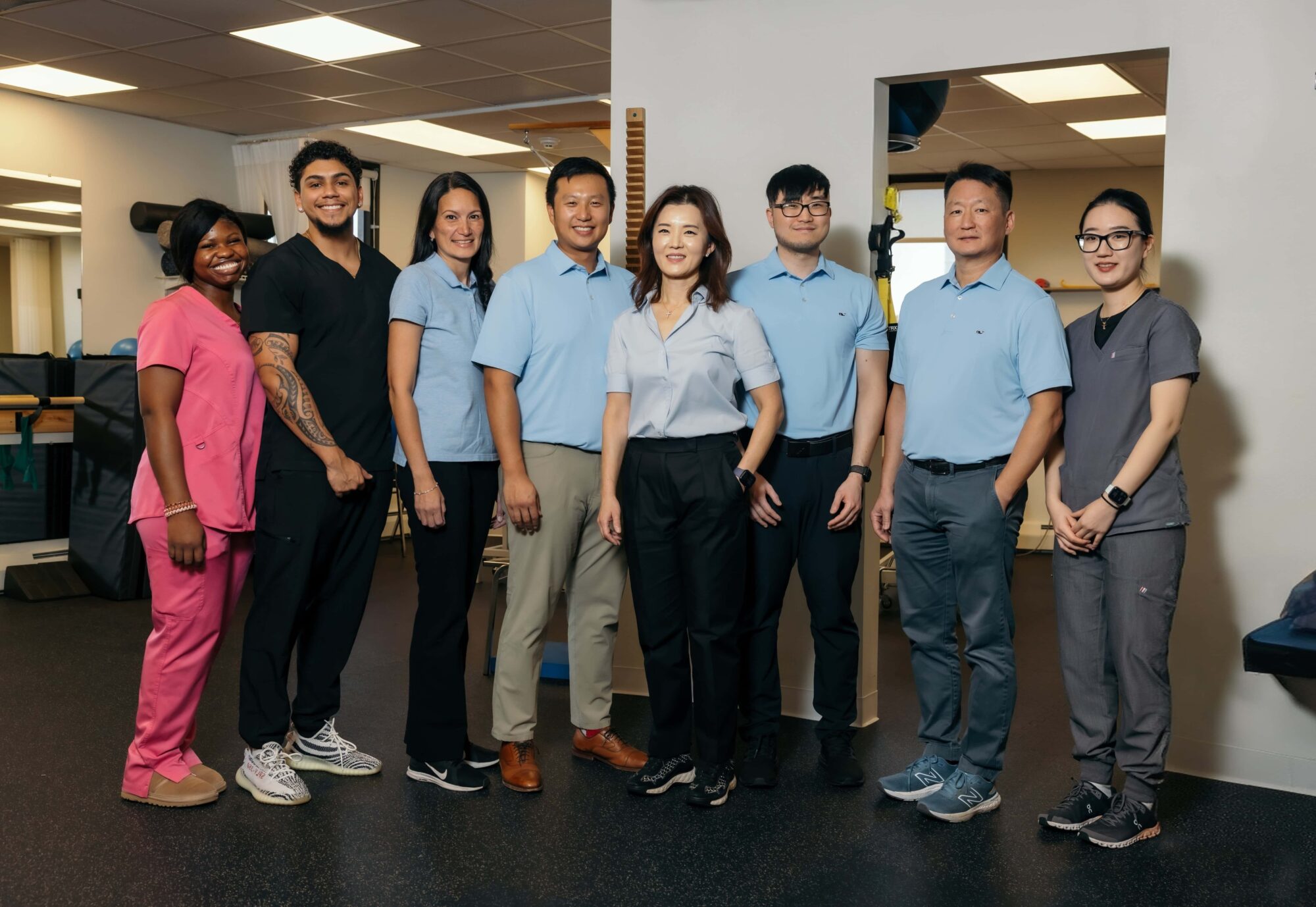
Meet our team
Doctorate-level therapists who build a plan around your specific injury and goals.
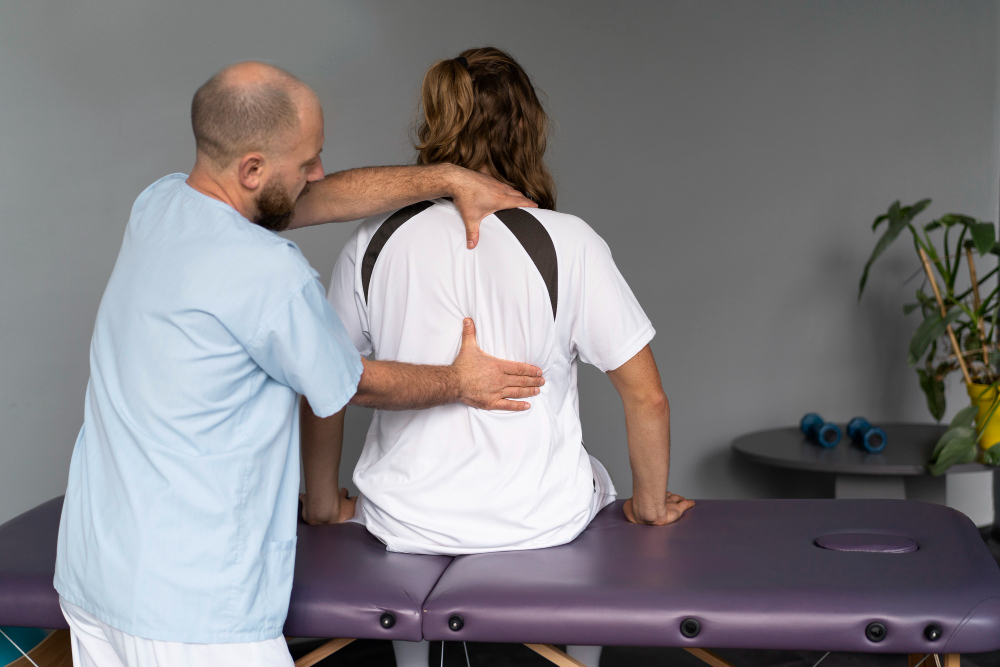
Conditions we treat
Back, knee, shoulder, hip and more. Find the condition that matches your pain.
Where does it hurt?
The PAIN We Treat
Our Patient's STORIES
Our patient’s continually rate us highly. Please read their reviews below and you’ll see that you’re in the safest and most professional hands when you visit us. Watch the video below to understand how we’ve helped some of our patients and why they rate us highly.
You Can Also Review Us On :
Frequently Asked Questions About Children’s Physical Therapy Treatment
Children of all ages — from infants through adolescents — can benefit from physical therapy. Programs are completely adapted to the child’s developmental stage and needs.
Our pediatric programs are designed to be as pain-free as possible. We use age-appropriate, engaging exercises and always work within your child’s comfort level. Any discomfort is minimized and promptly addressed.
Common conditions include Osgood-Schlatter disease, Sever’s disease (heel pain), youth sports injuries, growing pains, scoliosis-related movement issues, and post-surgical rehabilitation.
Yes — identifying the specific source of pain, treating it appropriately, and progressively returning your child to sport is exactly what pediatric PT is designed for. Many children return to full sport participation with appropriate PT.
We strongly encourage parental involvement, particularly for younger children. Parents learn the home exercise program alongside their child and receive education on activity modification and long-term injury prevention.
Our pediatric programs are designed to be comfortable and engaging. We use age-appropriate, engaging exercises and always work within your child’s comfort level. Any discomfort is minimized and promptly addressed.